
Creating a calm and quiet home environment can greatly improve your comfort and well-being. Whether you live in a busy neighborhood, an apartment, or have noisy family members, finding ways to reduce noise at home is important. Fortunately, there are simple, affordable methods you can use to minimize unwanted sounds and enjoy a more peaceful living space.
Why Reduce Noise at Home?
Excessive noise can disrupt sleep, increase stress, and reduce concentration. By addressing noise issues, you can:
– Improve your sleep quality
– Enhance focus and productivity
– Lower stress levels
– Create a more relaxing atmosphere for family and guests
Now, let’s explore some practical ways to reduce noise inside your home.
Identify the Sources of Noise
Before you start, it’s helpful to identify where the noise is coming from. Common sources include:
– Outdoor traffic and street noise
– Noisy neighbors or shared walls
– Household appliances and electronics
– Footsteps, voices, or pets within the home
Knowing the source will help you choose the best noise reduction strategies.
Simple Noise Reduction Tips for Every Home
1. Use Rugs and Carpets
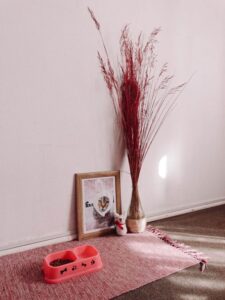
Bare floors can reflect sound and make noise travel more easily. Adding rugs or carpets helps absorb sound and soften footsteps.
– Choose thick, plush rugs for better sound absorption.
– Place rugs in high-traffic areas like hallways and living rooms.
– Use carpet padding underneath rugs for extra cushioning and noise reduction.
2. Add Soft Furnishings
Soft materials absorb sound better than hard surfaces. Increasing soft furnishings in rooms can help lower overall noise.
– Use curtains or drapes made from heavy fabrics.
– Add cushions and upholstered furniture.
– Hang fabric wall art or tapestries to minimize echoes.
3. Seal Gaps and Cracks
Noise can seep through small openings around windows, doors, and walls. Sealing these gaps will reduce sound transmission.
– Use weatherstripping around doors and windows.
– Apply caulk to cracks or gaps in walls and baseboards.
– Install door sweeps to block sound under doors.
4. Rearrange Furniture Strategically
Furniture placement can create sound barriers and reduce noise flow.
– Place bookshelves or cabinets against shared walls to block sound.
– Use large furniture pieces near windows or noisy walls.
– Arrange seating areas away from noisy spots.
5. Use White Noise Machines or Fans
Sometimes, the best way to mask intrusive noise is with gentle background sounds.
– White noise machines produce soothing, consistent sounds that cover disruptive noises.
– Fans or air purifiers can also provide ambient sound that helps mask distractions.
6. Upgrade Windows
Windows are common weak points for noise entering the home. Consider these options:
– Install double-pane or soundproof windows.
– Use window inserts or acrylic panels for added insulation.
– Hang thick curtains or blinds to reduce outside noise.
7. Soundproof Doors
Doors, especially hollow ones, can let a lot of sound through.
– Replace hollow doors with solid core doors.
– Add door seals or acoustic panels.
– Use heavy curtains over doors to block sound.
8. Control Noise From Appliances
Appliances like washers, dryers, and HVAC systems can create unwanted noise.
– Place noisy appliances on vibration-absorbing pads.
– Maintain regular appliance servicing to reduce operational noise.
– Use soundproof enclosures or isolation mats if possible.
Advanced Soundproofing Ideas (Optional)
If you want more significant noise reduction and are willing to invest, consider:
– Adding acoustic panels or foam to walls and ceilings.
– Installing soundproof drywall or insulation.
– Building a double wall or soundproof room within your home.
These methods are more involved but can greatly improve noise control.
Maintaining a Quiet Home Environment
Once you’ve reduced noise, keeping it low is the next step:
– Establish quiet hours for family and guests.
– Use headphones when listening to loud music or TV.
– Encourage respectful noise levels among household members.
Conclusion
Reducing noise at home is achievable with simple changes and mindful habits. By incorporating rugs, soft furnishings, sealing gaps, and strategically placing furniture, you can enjoy a quieter, more comfortable space. For larger noise challenges, upgrades to windows, doors, or adding soundproofing materials can make an even bigger difference. A peaceful home environment promotes relaxation, better sleep, and overall well-being.
Start with these easy tips today and create a sanctuary where noise no longer disrupts your daily life.