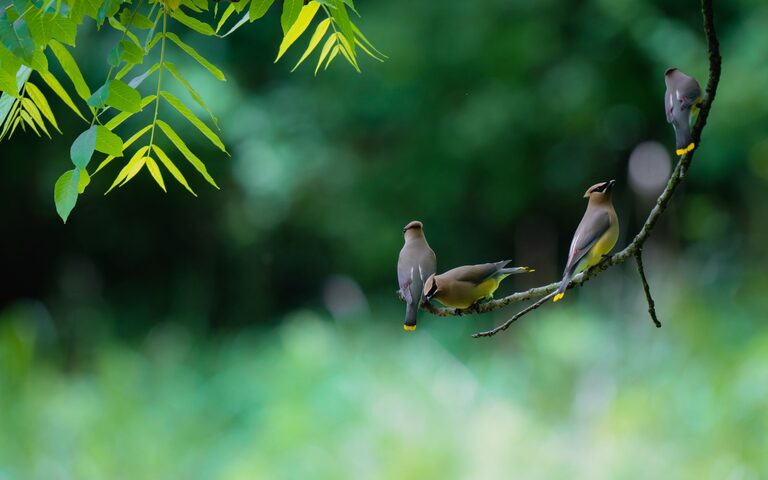
Birdwatching is a relaxing and rewarding hobby that brings you closer to nature right in your own backyard. Whether you have a large garden or just a small balcony, observing birds can add joy to your day and help you learn more about local wildlife. If you’re new to birdwatching, this guide will share some beginner-friendly tips to help you get started.
Why Backyard Birdwatching?
Birdwatching doesn’t require expensive gear or special skills. It’s a great way to unwind, connect with nature, and even contribute to citizen science by reporting bird sightings. Plus, backyard birdwatching is accessible to people of all ages and can be done year-round.
Getting Started: What You’ll Need
1. Choose a Good Spot
Find a comfortable and quiet place with a clear view of your yard or garden. Near a window or on a porch are popular options. The more peaceful the spot, the more likely birds will visit.
2. Get Basic Equipment
– Binoculars: A good pair of binoculars helps you see birds clearly without disturbing them. For beginners, 8×42 binoculars are a great balance of magnification and brightness.
– Field Guide or App: Use a bird identification book or an app on your phone to help recognize species. Look for guides focused on your region.
– Notebook or Journal: Keep track of the different birds you spot. Writing notes helps improve your observation skills.
3. Set Up Birdfeeders and Birdbaths
Attracting birds to your yard is easier with food and water sources.
– Birdfeeders: Start with feeders that offer popular seeds like sunflower or mixed seed. Platform feeders and tube feeders work well for a variety of birds.
– Birdbaths: Provide fresh, shallow water. Change it regularly to keep it clean.
– Natural Shelter: Plant native trees and shrubs to offer resting and nesting spots.
Tips for Attracting Birds
1. Offer a Variety of Food
Different birds have different tastes. Try mixing seeds, suet, fruit, and nectar to attract a wider range of species.
2. Keep Feeders Clean
Clean feeders regularly to prevent disease spread among birds.
3. Minimize Disturbances
Keep pets away from feeding areas and avoid sudden movements to make birds feel safe.
Identifying Birds
1. Look at Size and Shape
Birds vary from tiny hummingbirds to larger crows. Observing overall shape gives clues about their identity.
2. Notice Colors and Patterns
Pay attention to colors, markings, and distinctive features like crests or stripes.
3. Observe Behavior
Watch how the bird moves, feeds, and interacts. Some birds hop on the ground, while others hang upside down or fly in a particular style.
4. Listen to Songs and Calls
Bird sounds are unique and can help identify species even if you don’t see them clearly.
Record Your Observations
Keeping a birdwatching journal isn’t just fun—it builds your skills. Write down the date, time, weather, species seen, and any interesting behaviors.
Join a Community
Consider joining local birdwatching clubs or online groups. Sharing sightings and tips can make birdwatching more enjoyable and educational.
Common Backyard Birds to Look For
Depending on your region, you might see:
– Sparrows
– Cardinals
– Blue jays
– Chickadees
– Robins
– Finches
– Woodpeckers
Each of these birds has unique traits that make them easy and fun to identify.
Final Thoughts
Backyard birdwatching is a peaceful and rewarding way to spend time outdoors. With some simple equipment, patience, and curiosity, you can build a deeper appreciation for the beautiful birds right outside your door. Start small, enjoy each sighting, and watch your birdwatching skills grow over time.
Happy birdwatching!