
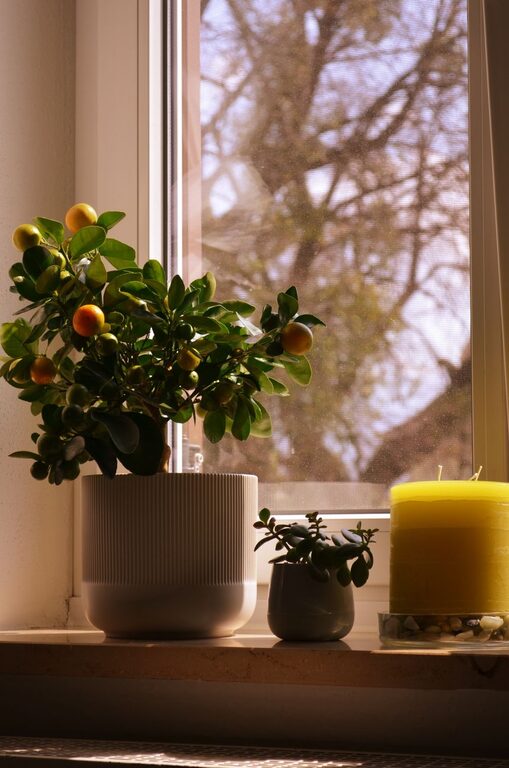
Bringing plants into your home is one of the simplest and most rewarding ways to refresh your living space. Not only do plants add natural beauty and a splash of color, but they can also improve air quality and create a calming atmosphere. Whether you’re a seasoned plant parent or just starting out, this guide will help you choose the right plants and place them effectively to transform your home into a vibrant, lively sanctuary.
Why Add Plants to Your Home?
Plants do more than decorate—they offer several benefits:
– Improve air quality: Many indoor plants help filter toxins and increase oxygen.
– Boost mood: Greenery and nature can reduce stress and improve mental well-being.
– Enhance aesthetics: Plants add texture, color, and life to any room.
– Create a peaceful vibe: The presence of plants promotes calm and relaxation.
With so many benefits, adding plants is an easy step toward creating a more inviting and healthy home.
Choosing the Right Plants for Your Space
Before you start buying plants, consider these factors to ensure success:
1. Light Availability
Different plants have varying light needs:
– Bright, direct light: Succulents, cacti, and fiddle leaf figs thrive here.
– Indirect light: Snake plants, pothos, and peace lilies do well.
– Low light: ZZ plants and cast iron plants are great for darker corners.
Assess how much natural light each room gets during the day to choose suitable plants.
2. Maintenance Level
Some plants require more attention than others:
– Low maintenance: Snake plants, pothos, and spider plants tolerate occasional neglect.
– Moderate care: Ferns and peace lilies need regular watering and humidity.
– High maintenance: Orchids and some tropical plants may need extra care and specific conditions.
Choose plants that fit your lifestyle and how much time you want to dedicate to plant care.
3. Size and Space
Consider how much room you have:
– Small spaces: Use tabletop plants like succulents or small ferns.
– Medium spaces: Medium pots with peace lilies or snake plants.
– Large rooms: Taller plants like fiddle leaf figs or rubber trees make a statement.
Measure your available space to avoid overcrowding or blocking pathways.
Creative Ways to Display Your Plants
Plants can become focal points in many ways. Here are some ideas to showcase them:
Use Shelves and Wall Planters
Floating shelves with plants add greenery vertically and save floor space. Wall-mounted planters or hanging pots are perfect for trailing plants like ivy or pothos.
Group Plants Together
Create a mini indoor garden by grouping several plants of different sizes and shapes on a table or in a corner. This adds visual interest and a lush feel.
Use Decorative Pots
Select pots that complement your home décor. Colorful ceramic pots, woven baskets, or minimalist concrete planters can enhance the plant’s appearance.
Mix Plants with Other Decor
Combine plants with books, candles, or sculptures to create a styled vignette on a shelf or console table.
Basic Plant Care Tips
Keeping plants healthy requires some simple routines:
Watering
Check your plant’s specific watering needs. Most plants prefer to dry out slightly between waterings. Overwatering is one of the most common mistakes, so make sure pots have drainage holes.
Light
Place plants in spots where they receive the light they need. Rotate plants occasionally for even growth.
Feeding
Use a balanced liquid fertilizer during the growing season (spring and summer), following package instructions.
Cleaning
Dust leaves regularly with a damp cloth to keep them healthy and allow efficient photosynthesis.
Repotting
Repot plants when they outgrow their containers or every 1-2 years to refresh soil and encourage growth.
Popular Easy-to-Care-for Indoor Plants
Here are some plants suitable for beginners or busy individuals:
– Snake Plant: Tolerates low light and infrequent watering.
– Pothos: Fast-growing vine that thrives in indirect light.
– Spider Plant: Hardy and adaptable, with lively spider-like shoots.
– ZZ Plant: Very drought-tolerant, perfect for low light.
– Peace Lily: Beautiful white blooms; prefers moderate light and humidity.
– Succulents: Require bright light and minimal watering.
Final Thoughts
Refreshing your home with plants is a wonderful way to bring the outdoors inside and improve your living environment. Start small, experiment with different types, and enjoy the process of nurturing your green friends. With the right plants and care, your home will feel fresher, more inviting, and full of life all year round.
Ready to get started? Visit your local nursery or explore online plant shops today and begin your journey to a greener, happier home!